Having explained how to generally understand, use, and navigate through the analytics section on Gameball to learn about the performance of Gameball as a program and its influence on your business. Learn more The Purchase Behaviour page in the analytics section focuses on how much your customers spend on your store and provides further details on your customers’ placed orders information.

Where to Find the Purchase Behaviour Analytics Page
1

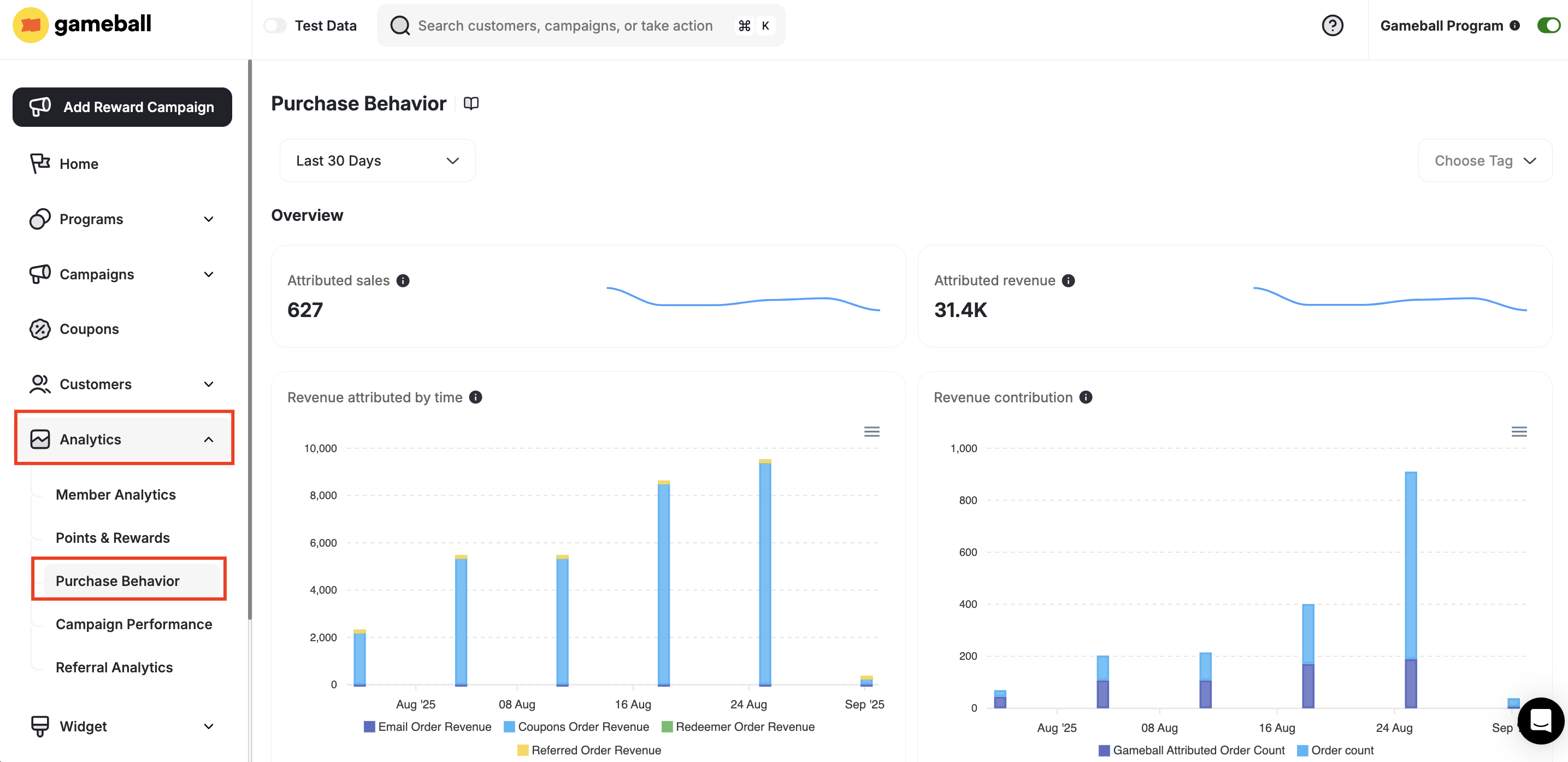
Open Analytics

Go to Gameball Dashboard, and click Analytics from the left bar.
2

Navigate to Purchase Behavior

Click Purchase Behavior from the analytics navigation.
Purchase behaviour navigation

What Is the Purchase Behaviour Analytics Page About?

Purchase Behaviour analytics gives you insights into customer purchase habits and how Gameball directly influences their spending. You’ll find detailed data about order values, purchase frequency, lifetime value, and attributed revenue.

Purchase Behaviour Metrics

Total number of purchases directly influenced by Gameball.

Attributed sales
Shows the total number of purchases that were directly influenced by Gameball campaigns and activities. This helps you measure how much of your sales are driven by Gameball rather than organic or external sources.
Total revenue generated from purchases directly influenced by Gameball.

Attributed revenue
Reflects the total amount of revenue generated from purchases where Gameball had a direct impact. It quantifies Gameball’s contribution to your business growth in terms of monetary value.
Tracks the revenue directly influenced by Gameball over time.
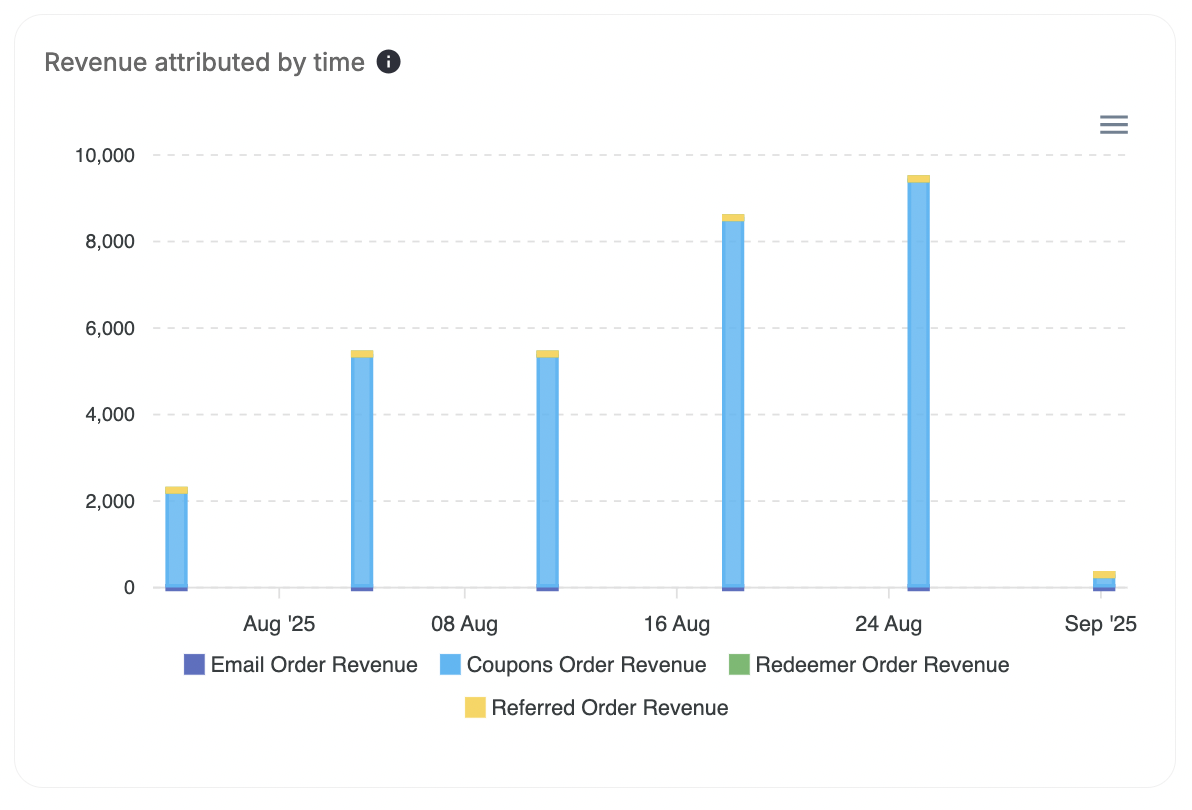
Revenue attributed by time
Displays how attributed revenue changes over time. Tracking this trend allows you to understand whether Gameball’s influence is increasing, decreasing, or staying consistent during specific periods.
A comparison of your store’s overall sales versus the portion of revenue directly influenced by Gameball.
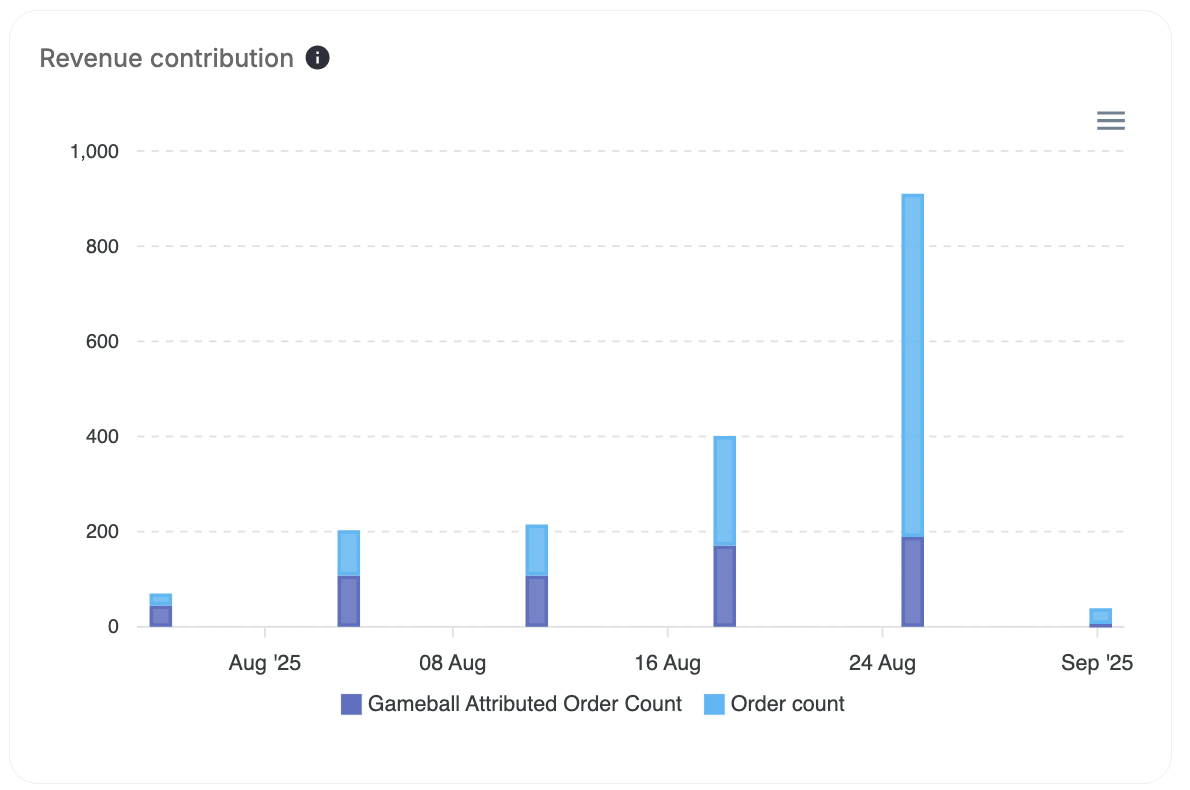
Revenue contribution
Compares your overall store revenue with the portion of revenue directly influenced by Gameball. This view makes it easy to see how much of your total income comes from Gameball-driven actions.
The average amount spent per order by customers.
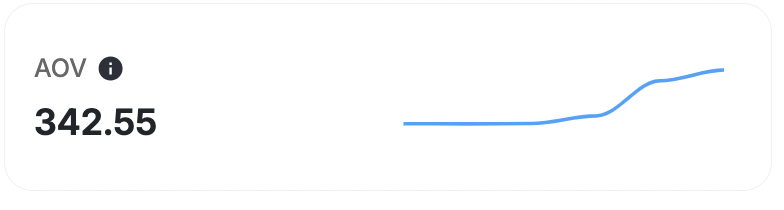
Average order value
Calculates the average amount customers spend per order. Monitoring AOV helps you evaluate whether Gameball is encouraging higher-value purchases and whether customers are spending more in each transaction.
The number of purchases made per member over a given period.
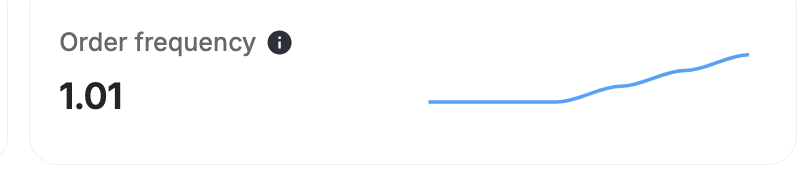
Order frequency
Shows how many times a customer typically purchases within a certain period. High order frequency often signals strong customer loyalty and engagement, while lower frequency may highlight opportunities to re-engage.
The average number of items in each purchase.
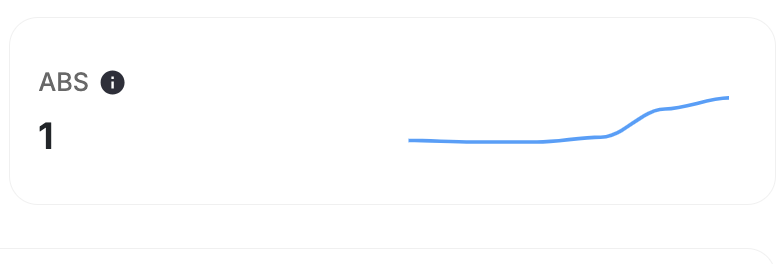
Average basket size
Measures the average number of items customers include in each purchase. A larger basket size can indicate effective bundling strategies, cross-sell efforts, or the success of Gameball incentives in encouraging customers to add more items.
Compares customer lifetime value across different groups, such as one-time buyers, frequent buyers, and non-redeemers.
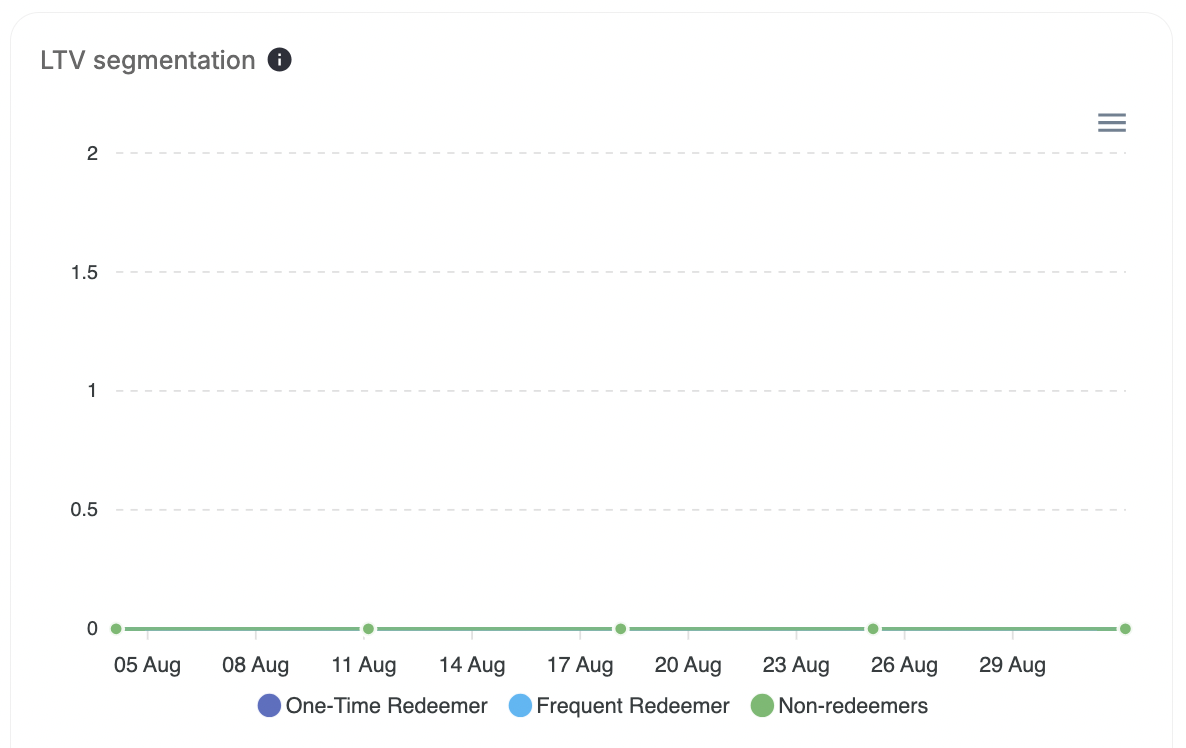
LTV segmentation
Compares customer lifetime value across different groups such as one-time buyers, frequent buyers, and non-redeemers. This breakdown helps you identify which groups contribute most to your long-term revenue and where you may need to focus retention strategies.
Shows how the average order value varies across different customer segments.
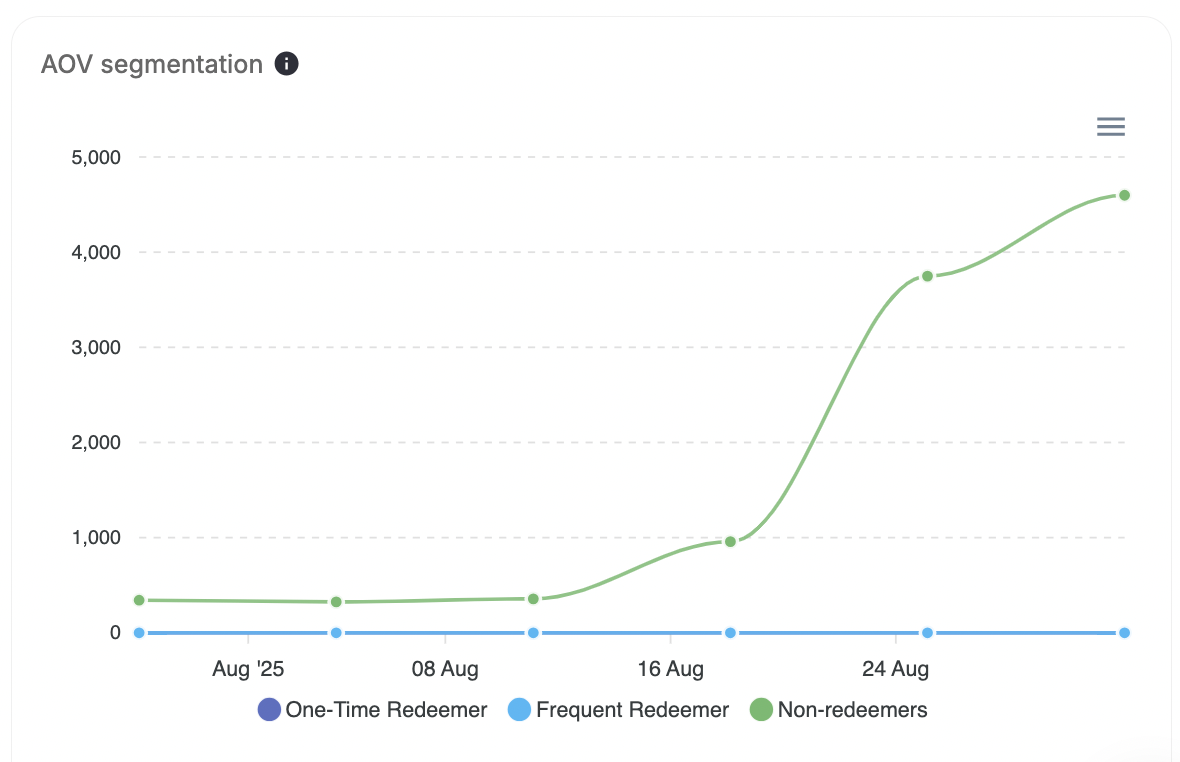
AOV segmentation
Highlights differences in spending behavior across customer groups. For example, frequent buyers may have a higher or lower average order value compared to one-time buyers, helping you tailor promotions for each group.
Breakdown of purchase frequency by different customer segments.
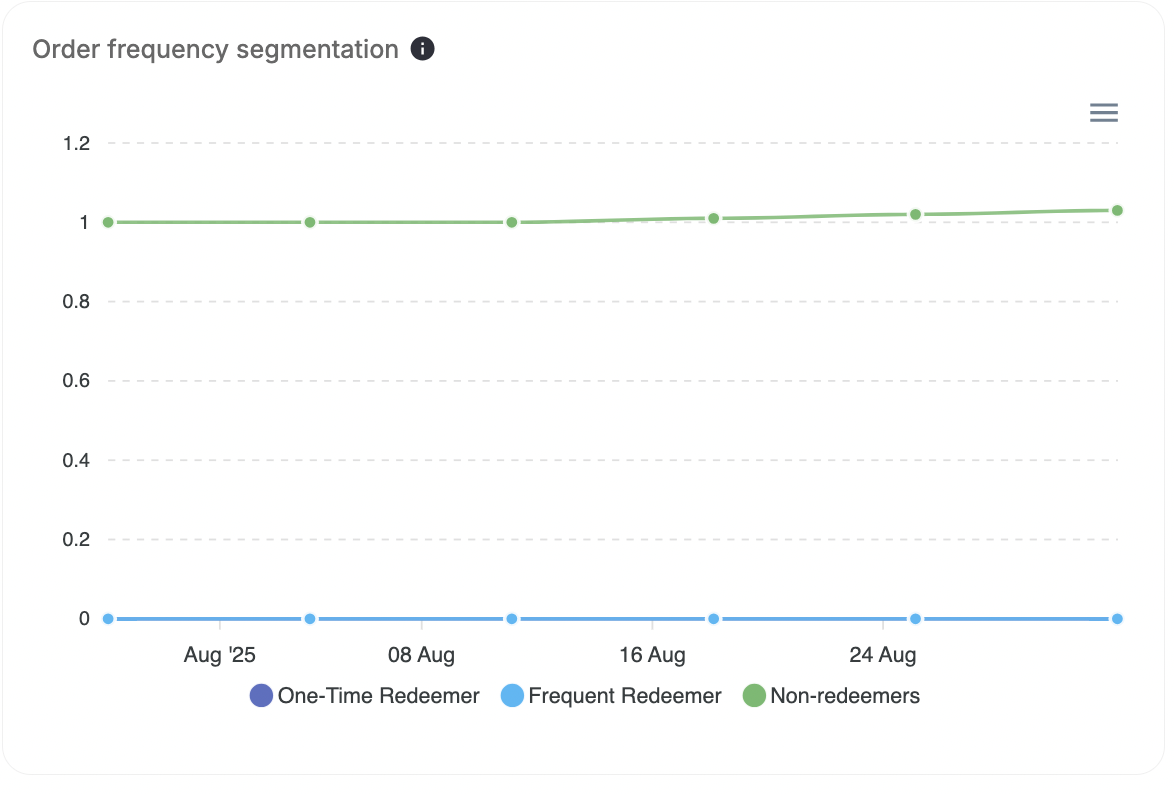
Order frequency segmentation
Breaks down purchase frequency across different customer segments. This shows whether certain groups are buying regularly, occasionally, or rarely, and supports strategies for encouraging repeat purchases.
Compares average basket size across one-time buyers, frequent buyers, and non-redeemers.
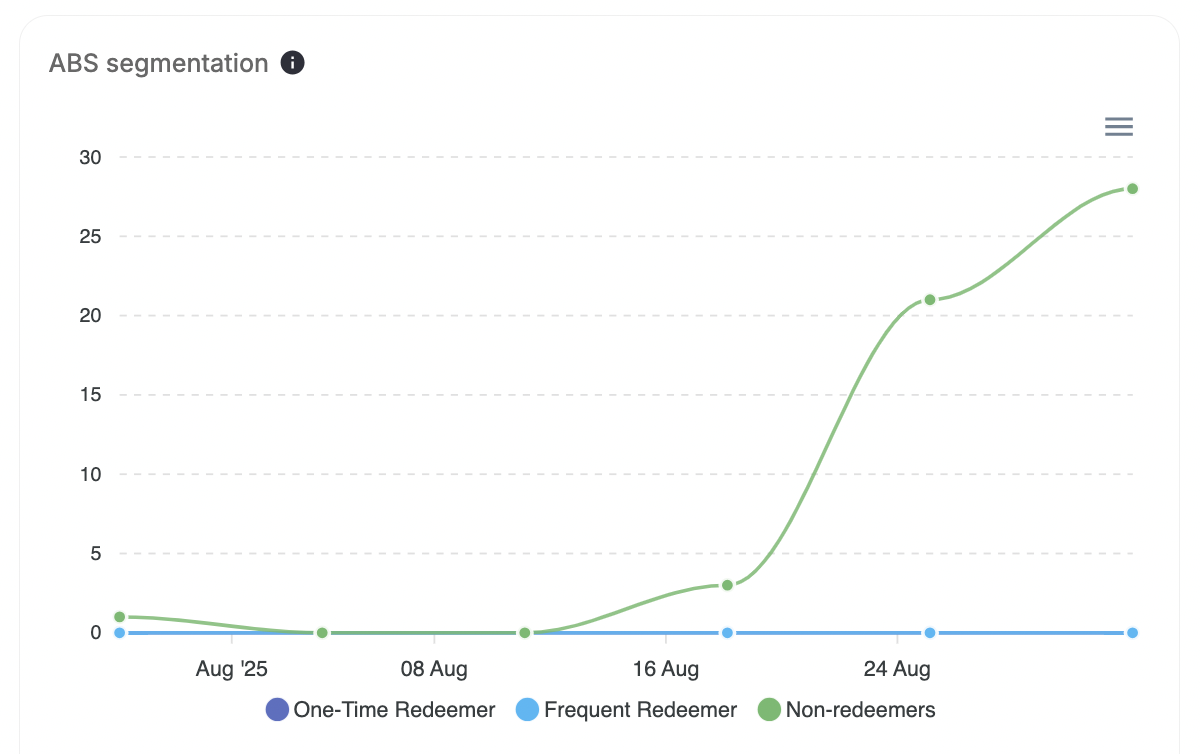
ABS segmentation
Compares average basket size across different customer groups (one-time, frequent, non-redeemers). Understanding these differences can help optimize upsell or cross-sell strategies for each segment.
Total number of orders or payments recorded over time.
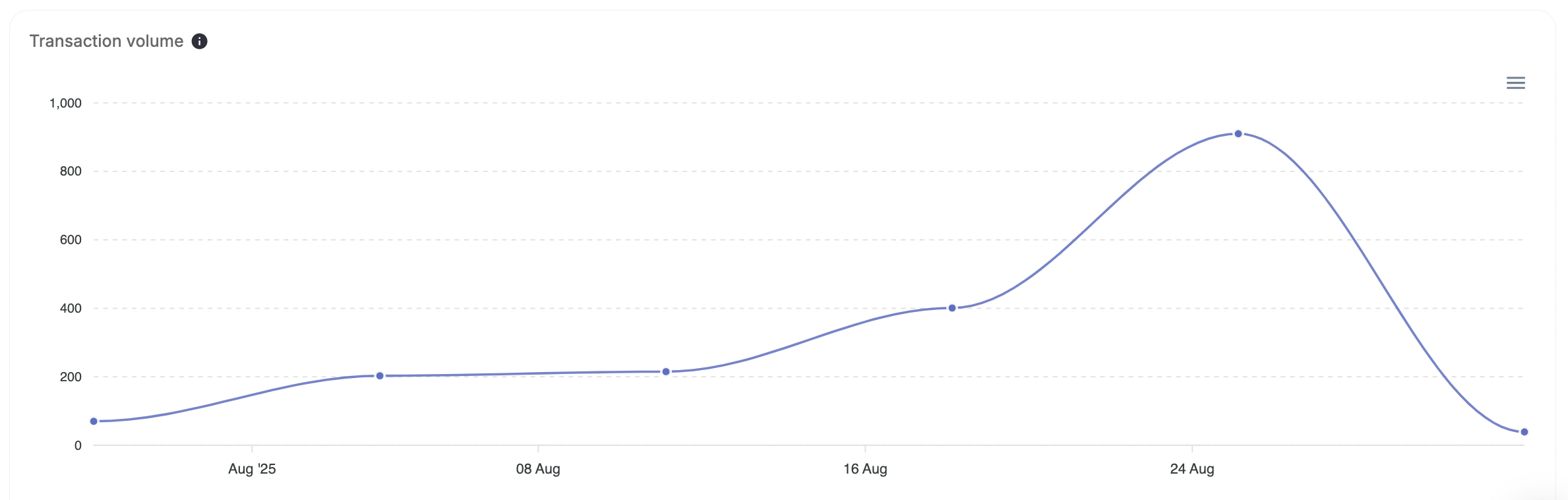
Transaction volume
Displays the total number of orders or payments recorded over time, regardless of their value. This helps you spot overall purchasing activity trends and assess whether engagement campaigns are driving more transactions.

What’s Next?